
Bus and Transport Advertising in London: Best Practices for Maximum Audience Engagement
London is a city constantly in motion. With its vast network of buses, trains, and bustling streets, it's no surprise that bus and transport advertising continues to be one of the most effective ways to reach Londoners where they live, work, and play. For UK businesses and marketers keen to make an impact in the capital, understanding how to maximise audience engagement with bus and transport campaigns is essential. In this guide, we’ll explore the latest trends, regulatory considerations, and practical tips for planning a successful campaign—always reflecting Inteli Media’s core values of Proximity, Trust, and Enthusiasm.
Why Choose Bus and Transport Advertising in London?
London’s public transport system is one of the busiest in the world, with millions of daily journeys made by bus, tube, and rail. Placing your brand on these moving canvases ensures unparalleled exposure and repeated impressions across diverse demographics. Here’s why it stands out:
- Massive Reach: Up to 98% of the UK population sees out-of-home (OOH) advertising every week, with London’s network providing particularly dense exposure.
- High Frequency: Commuters and pedestrians encounter the same routes repeatedly, reinforcing your message.
- Urban Mobility: Buses travel through commercial, residential, and tourist hotspots, ensuring your brand is seen citywide.
- Offline-to-Online Activation: 79% of viewers take action after seeing OOH ads, such as searching for a brand online—especially when prompted by interactive or digital formats.
Understanding the London Audience
London’s residents and workers are a diverse, media-savvy group. Successful bus advertising campaigns are those that:
- Speak to local needs and interests—consider neighbourhoods, events, and daily routines.
- Use inclusive, dynamic visuals that cut through the urban noise.
- Employ clear calls to action—from QR codes to hashtags, making it easy for audiences to move from street to screen.
Best Practices for Maximum Audience Engagement
1. Choose the Right Format and Placement
- Bus Advertising: Make use of London’s iconic red double-deckers, single-deckers, and night buses. Options range from full wraps to bus doors and superside panels. Each offers a different scale and level of impact.
- LED Screens and Digital Panels: Digital LED screens on buses or at transport hubs allow for real-time, dynamic messaging, adapting content by time of day or even by weather.
- Street Furniture: Combine bus placements with street furniture such as bus shelters, benches, and kiosks for added exposure near high-footfall areas.
- Integration with Other OOH: For citywide impact, pair transport media with billboards, roadside, or wallscapes to amplify your message.
2. Harness the Power of Digital and Data
Digital out-of-home (DOOH) now makes up over 67% of total OOH spend, with programmatic buying and audience targeting transforming the sector. In London, consider these approaches:
- Real-Time Creative: Update ads instantly to reflect current events or promotions. For example, showcase weather-appropriate products or respond to sporting events as they happen.
- Audience Data: Use footfall and travel data to optimise placements for your target demographic, ensuring your campaign appears on the most relevant routes and times.
- Mobile Integration: Incorporate QR codes or NFC technology so commuters can engage on the go, bridging offline impressions with digital conversion.
3. Prioritise Creative Clarity and Impact
London’s fast-moving environment means your message must be instantly recognisable. Keep these creative principles in mind:
- Bold, Simple Visuals: Use high-contrast colours and concise messaging to grab attention, even from a distance or through traffic.
- Consistent Branding: Ensure your logo and brand identity are unmissable, whether on a bus ad or LED panel.
- Storytelling: Appeal to emotion or local pride with creative that resonates with Londoners’ everyday experiences.
- Accessible Design: Consider readability and accessibility, using legible fonts and clear icons for all audiences.
4. Plan for Regulatory Compliance
London’s planning and regulatory environment is robust, especially for high-profile advertising. To ensure a smooth campaign:
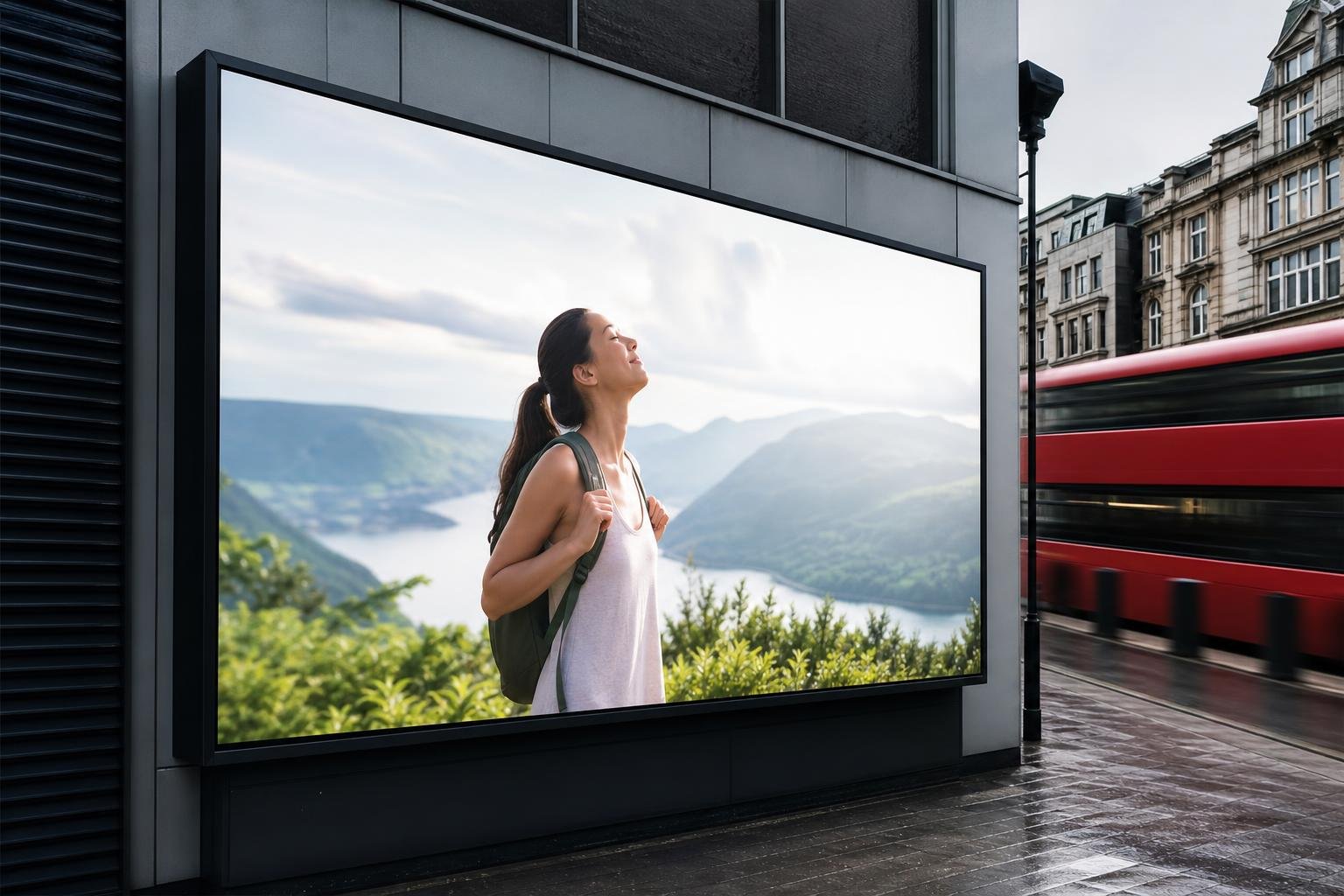
- Understand Local Regulations: Be aware of requirements for illuminated or digital signage, especially in conservation areas or near listed buildings.
- Obtain Necessary Permissions: The process includes submitting detailed drawings and luminance details, with an 8-week statutory decision period. Inteli Media’s Planning Permission and Regulatory Support service can offer expert guidance and manage the process on your behalf.
- Stay Updated: Regulations evolve, so consult with professionals and local authorities regularly, especially if you are planning multi-site or cross-jurisdictional campaigns.
5. Leverage Seasonal and Event-Based Opportunities
Timing is everything. Align your campaign with London’s busy calendar—think Christmas, summer festivals, or major sporting events. Seasonal campaigns see increased recall and engagement, especially when placements are near shopping hubs, entertainment districts, or transport interchanges. Real-time digital updates allow you to react quickly to trends or external factors, keeping your campaign fresh and relevant.
Case Example: Multi-Media Integration for Maximum Impact
Imagine a campaign targeting London commuters with a new product launch. A coordinated approach might include:
- Bus wraps on key routes through Greater London.
- Digital ads on LED screens at busy interchanges and street furniture in high-footfall shopping districts.
- Billboard support along major roadside corridors and wallscapes in city hotspots.
- Mobile retargeting via QR codes, driving online engagement and data capture.
This omnichannel approach ensures repeated exposure and guides the audience seamlessly from awareness to action.
Budgeting and Return on Investment
Bus and transport advertising in London can be tailored for both local businesses and national brands. Campaigns can start from as little as £1,000, with larger integrated campaigns scaling upwards. The average ROI for OOH in the UK is estimated at £1.60 per £1 spent, making it a cost-effective component of the media mix.
For those seeking high-impact, interactive formats, digital campaigns typically require higher investment but offer unrivalled flexibility and audience targeting.
Inteli Media: Your Partner in London Transport Advertising
At Inteli Media, we pride ourselves on our core principles:
- Proximity: We’re close to our clients and understand the unique nuances of the London market. Our team is on hand to advise on the best bus advertising and digital screens for your goals.
- Trust: Our process is transparent and ethical, from design development through to billboard rental and installation, and ongoing campaign management.
- Enthusiasm: We bring positive energy to every campaign, ensuring your message stands out in London’s dynamic environment.
Ready to Engage London’s Audience?
Whether you’re a local business or a national brand, Inteli Media can help you plan, execute, and optimise your next bus and transport advertising campaign in London. Contact us today for a tailored media plan that puts your brand in motion—right where your audience is.
Share:

