
Exploring the Benefits of Bus and Transport Advertising Across Major English Cities
Bus and transport advertising has long been an integral part of the urban landscape in England, providing brands with a dynamic, high-visibility platform to reach diverse audiences on the move. As travel patterns evolve and cities grow ever more connected, leveraging these formats can offer businesses fresh opportunities to stand out—whether you’re a national brand or a local SME seeking impact in your community.
Why Consider Bus and Transport Advertising?
Out-of-home (OOH) advertising continues to enjoy remarkable reach, with bus advertising and related transport media engaging millions of people across England’s bustling cities each week. According to the latest industry research, OOH formats, including buses, reach up to 98% of the UK population weekly. This makes bus and transport advertising one of the most reliable ways to guarantee brand visibility in both urban cores and commuter belts.
Key Benefits of Bus and Transport Advertising
- Unmatched Mobility and Reach: Buses traverse multiple neighbourhoods and high-footfall corridors daily. A single campaign can expose your message to a vast cross-section of city dwellers, commuters, students, and tourists.
- Targeted Local Impact: With route-specific planning, you can align your message to reach precisely the communities you serve—ideal for local launches or regional brand building.
- High Dwell Time: Formats such as bus interiors, station panels, and escalator posters offer long exposure windows, capturing attention during moments of waiting or transit.
- Cost-Effective Options: Entry points are accessible for businesses of all sizes, with options ranging from bus interiors to full wraps and premium station sites.
- Creative Flexibility: From bold, large-format bus wraps to interactive digital screens in transport hubs, the possibilities for engaging creative are extensive.
Popular Formats and Where They Work Best
England’s major cities—such as Greater London, Greater Manchester, West Midlands, West Yorkshire, and Merseyside—feature extensive bus and transport networks, making them ideal environments for a range of OOH formats:
- Bus Advertising: Includes supersides, rears, full wraps, and interiors. These act as moving billboards, providing continuous city-wide exposure that transcends static location limitations.
- Roadside and Urban Panels: Often found at major junctions, bus stops, and high-traffic pedestrian areas. These offer excellent dwell time for both vehicular and foot traffic.
- Street Furniture: Digital and static advertising on bus shelters, benches, and public infrastructure. Particularly effective at transport hubs where dwell time is high.
- LED Screens and LED Panels: Increasingly present in key stations and transport interchanges, allowing for dynamic content, real-time updates, and daypart targeting.
- Airport Advertising: While not strictly urban, airports in cities like London, Manchester, and Birmingham are high-value environments for brands targeting business and leisure travellers.
Audience Insights: Who Sees Your Transport Ad?
One of the greatest advantages of bus advertising is its ability to reach a broad and diverse audience. Key segments include:
- Commuters: Workers and students using buses and trains daily, especially during peak hours.
- Shoppers: City centre visitors drawn by retail and leisure attractions.
- Tourists: Local and international visitors navigating the city by public transport.
- Residents: Communities along bus routes, repeatedly exposed to your message.
Research shows that 79% of people take action after seeing an OOH ad, with 46% performing online searches and 26% visiting brand websites. This cross-channel influence is particularly pronounced with transport advertising, where repeated exposure across different city zones reinforces brand recall and prompts response.
Cost Considerations and Budget Planning
One of the standout features of bus and transport advertising is its accessibility for a wide range of budgets. Typical costs include:
- Bus exterior panels (supersides, rears): Starting from £100–£300 for a two-week campaign, depending on city and route popularity.
- Bus interiors: From as little as £25 for two weeks, making them highly cost-effective for frequent, captive audiences.
- Station and underground panels: Premium pricing, but with unparalleled reach and dwell time, ideal for major hubs in Greater London and other large cities.
- Digital formats: Dynamic scheduling allows for efficient budget deployment—pay only for the times and locations that matter most to your audience.
To further maximise efficiency, consider aligning your campaign with seasonal peaks such as Christmas, summer holidays, or major events, when transport footfall is at its highest.
Creative Opportunities: Making Your Message Stand Out
Transport advertising offers unique creative flexibility. With formats ranging from traditional posters to eye-catching LED screens and even digital prints on vinyl and paper, it’s possible to develop bold, memorable campaigns that suit your brand identity and objectives.
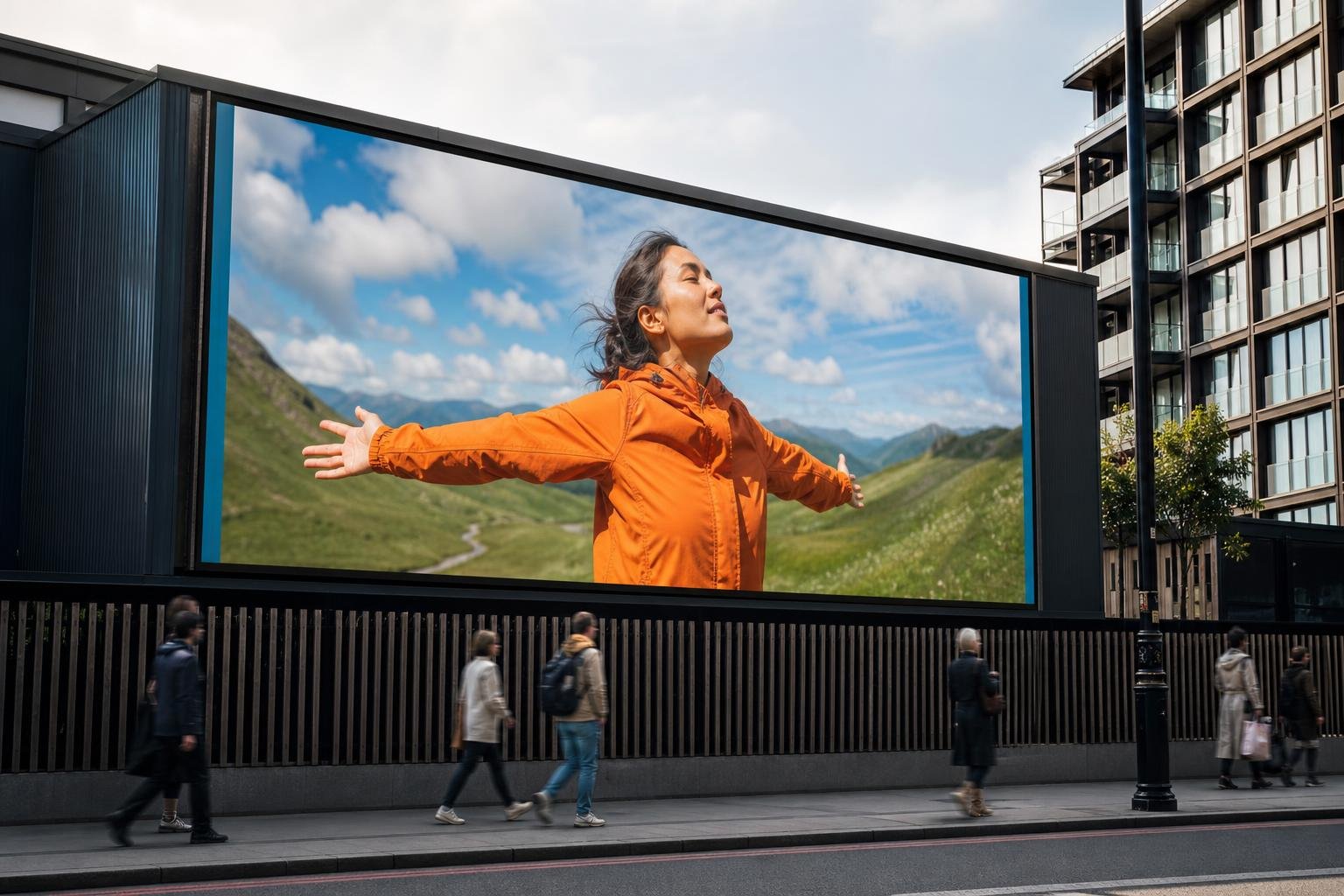
Consider using bright colours, concise messaging, and clear calls to action. Incorporating QR codes or NFC technology can bridge the gap between offline and online, encouraging immediate engagement via smartphone.
Ensuring Compliance: Navigating Permissions and Regulation
As with all OOH advertising, transport campaigns must adhere to local planning and regulatory requirements. Council guidelines, safety standards, and content restrictions—especially for illuminated or digital formats—can vary between cities and boroughs. For advertisers, this highlights the importance of experienced support in securing permissions and managing compliance.
Inteli Media’s Planning Permission and Regulatory Support ensures your campaign is delivered smoothly and in line with all legal and safety requirements, giving you peace of mind throughout the process.
Enhancing Impact with Data and Programmatic Buying
Digital transformation is reshaping the transport advertising landscape. Programmatic buying and real-time scheduling allow campaigns to be dynamically adjusted based on audience data, weather, events, or time of day. This ensures your message is not just seen, but seen by the right people, at the right moment.
Networked LED panels and screens in bus stations and interchanges make it possible to roll out agile, data-driven campaigns across multiple cities. This level of flexibility and precision is now available to businesses of all sizes, not just the largest brands.
Our Approach: Proximity, Trust, and Enthusiasm
At Inteli Media, we believe great campaigns start with really understanding your needs. Our team brings proximity—we work closely with you to design and deliver campaigns that resonate in your target markets. You can rely on our trust: from transparent pricing to honest advice and thorough regulatory support, professionalism is at the heart of everything we do. Most of all, we bring enthusiasm: we’re genuinely passionate about making your message stand out, and our energy shows in every campaign we run.
How to Get Started: Campaign Planning Made Simple
If you’re ready to explore the potential of bus and transport advertising across England’s major cities, Inteli Media can help every step of the way. Our services include:
- Design development tailored to your brand and objectives
- Billboard rental and installation, including bus and transport formats
- Manufacturing of bespoke panels and signage
- LED illumination and digital upgrades
- Planning permission and regulatory support to ensure compliance
Whether you’re targeting Greater London, Manchester, Birmingham, Leeds, or Liverpool, we have the expertise and network to deliver results where it matters most.
Ready to Move Your Brand?
Bus and transport advertising remains a vibrant, effective channel for brands that want to reach mass audiences, drive real-world action, and build lasting recognition across England’s cities. Get in touch with Inteli Media today for a tailored, expert media plan—let’s put your message in motion, together.
Share:

