
Understanding Advertisement Consent for Outdoor Signage in Conservation Areas
Outdoor advertising remains one of the most effective ways for UK businesses to reach large audiences – and conservation areas are often prime locations due to their high footfall and local vibrancy. However, advertising in these sensitive zones brings its own set of challenges, particularly when it comes to securing advertisement consent for signage, billboards, LED screens, and other signs. This guide explains how the advertisement consent process works in conservation areas, the key considerations, and how working with an experienced outdoor media partner like Inteli Media can make your campaign both compliant and impactful.
What is a Conservation Area and Why Does It Matter?
A conservation area is an area designated by the local planning authority for its special architectural or historic interest. In England, these zones are protected under the Planning (Listed Buildings and Conservation Areas) Act 1990, and any development (including signage and advertising) must preserve or enhance their character or appearance.
For advertisers and marketers, this means stricter controls on the display of outdoor media – from billboards on roads to wallscapes, front-lit billboards, urban signage, and illuminated LED screens. The aim is to balance commercial communication with the need to protect the look and feel of these cherished environments.
What is Advertisement Consent?
Most outdoor advertising in England is regulated by the Town and Country Planning (Control of Advertisements) (England) Regulations 2007. While some signage falls under 'deemed consent' (meaning it doesn’t require a formal application), advertising in conservation areas almost always requires express advertisement consent from the local planning authority.
This consent is needed for:
- Any illuminated sign or display (including LED screens, LED panels, and LED illumination systems)
- Larger format billboards (such as 48-sheet or 96-sheet)
- Any signage that could affect the visual amenity or character of the area, such as corner signs, totems, or prominent acrylic letters
It’s vital to factor in these requirements early in your campaign planning to avoid costly delays or refusals.
Key Considerations for Outdoor Signage in Conservation Areas
Securing advertisement consent in conservation areas involves a more rigorous process than elsewhere. Here’s what you should keep in mind:
1. Visual Amenity
Local authorities will scrutinise how your proposed signage affects the area’s character. This means:
- Designs must be sympathetic to the surrounding architecture. For example, traditional billboards or wallscapes may need to blend with period features.
- Materials and colours should complement, not clash with, local heritage. Consider using high-quality digital prints on vinyl and paper or bespoke acrylic letters for a premium, tailored finish.
2. Public Safety
Authorities will also assess whether your signage could compromise road safety or pedestrian flow. Placement, size, and illumination levels must all comply with strict standards. For instance, bridge advertising or roadside billboards must not distract drivers or obscure traffic signs.
3. Scale and Illumination
There are controls on the maximum height, projection, and brightness of LED screens, front-lit billboards, and other illuminated signage in conservation areas. For example, signs are generally restricted to below first-floor window level or 4.6 metres above ground to reduce visual impact.
4. Cumulative Impact
Local authorities consider the cumulative effect of existing and proposed signage. In crowded or visually sensitive settings, your application may be refused if it contributes to street clutter or detracts from the area’s special qualities. This is especially relevant for high-profile areas in Greater London, West Midlands, or other heritage-rich towns.
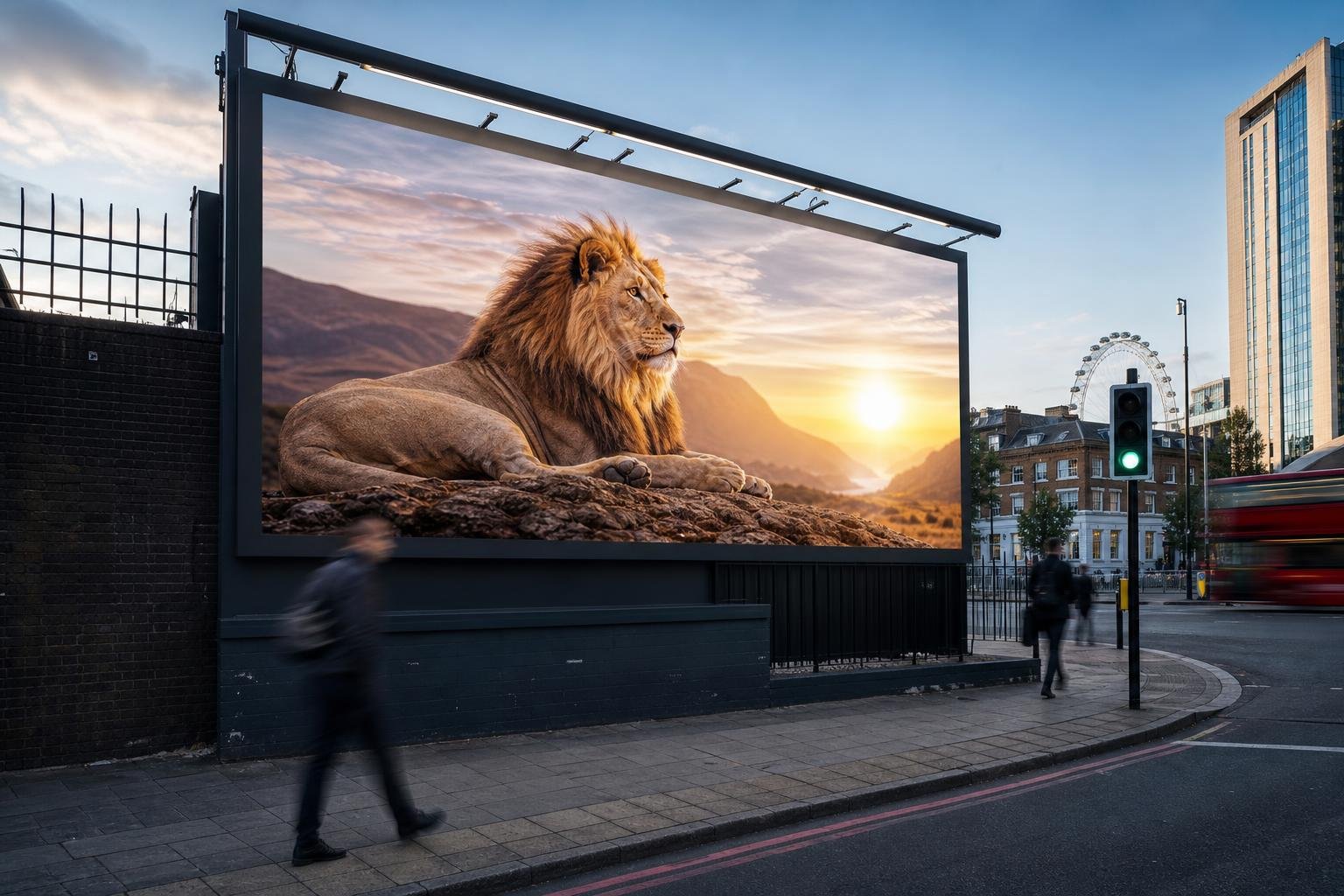
The Advertisement Consent Process: Step-by-Step
Obtaining advertisement consent in a conservation area typically follows these steps:
- Pre-application consultation: Engage with the local planning authority early. This helps identify issues and refine your proposal for a smoother process.
- Submit a detailed application: You’ll need to provide site plans, elevations, details of materials and illumination (for LED illumination or digital prints), and a comprehensive design statement. Working with a specialist in design development can be invaluable here.
- Assessment period: The local authority will usually decide within 8 weeks, assessing your scheme against national and local policy, and consulting with conservation officers as needed.
- Decision and conditions: If approved, consent may come with conditions (e.g. limits on hours of illumination or requirements for maintenance). If refused, you can appeal to the Planning Inspectorate.
Application fees are typically around £168 in England, but complexity and supporting documentation can add to costs – another reason to plan with expert guidance.
Common Pitfalls (and How to Avoid Them)
Many applications are delayed or refused due to:
- Generic or ‘off-the-shelf’ designs that do not respect local character
- Insufficient detail in drawings or statements
- Inadequate consultation with the planning authority
- Overly bright or intrusive LED screens in heritage settings
- Failure to consider the cumulative impact of multiple displays (especially in busy districts like Greater London or Greater Manchester)
To avoid these pitfalls, it’s strongly recommended to partner with an outdoor media expert, such as Inteli Media, who can manage both creative development and regulatory compliance.
How Inteli Media Can Help
At Inteli Media, our approach is rooted in proximity to each client’s unique needs, trust earned through professional, ethical conduct, and enthusiasm for every project. Our dedicated team offers end-to-end support for campaigns in conservation areas:
- Design development tailored to conservation contexts
- Expert planning permission and regulatory support – from pre-application advice to submission and appeals
- Bespoke manufacturing of structures and billboards, including acrylic letters and LED illumination
- Flexible billboard rental and installation options in locations across Birmingham, Glasgow, Cardiff, Merseyside, and more
- Expertise in all media types, from bus advertising and airport campaigns to street furniture and floor billboards
We’ll guide you through every stage, ensuring your signage is both eye-catching and fully compliant – so you can focus on achieving your communication goals with confidence.
Frequently Asked Questions
Do all signs in conservation areas require consent?
Most advertising in conservation areas does require express consent, particularly illuminated or large-format signage. Some small, non-illuminated signs might be exempt, but it’s essential to check with the relevant authority or seek specialist advice.
How long does the process take?
From submission to decision, the statutory period is usually eight weeks. However, complex proposals or those in highly sensitive locations may take longer, especially if amendments are needed or public consultation is required.
How can I improve my chances of approval?
Work with experienced professionals, engage with the planning authority early, provide detailed and sympathetic designs, and demonstrate a commitment to maintaining the area’s character. Inteli Media’s track record in design development and regulatory support can help smooth your path to approval.
Conclusion: Bringing Your Campaign to Life – Responsibly
Outdoor advertising in conservation areas presents a fantastic opportunity to connect with local audiences in prestigious, high-traffic settings – but only if approached with care, creativity, and respect for local heritage. By understanding the advertisement consent process and partnering with an expert, you can achieve effective, compliant campaigns that respect both your brand and the environment.
Ready to discuss your next outdoor campaign or need advice on planning permission for signage in a conservation area? Contact Inteli Media today for a free, tailored media plan – and let’s bring your vision to life, the right way.
Share:

